Abstract
Modern operating systems are under constant pressure, and recent vulnerabilities in both Windows and Linux show that even mature kernels can still crack under the right conditions.
In this talk, Marco will take a practical look at a selection of recent issues—including Windows vulnerabilities such as YellowKey, GreenPlasma, and MiniPlasma, and Linux flaws like copy.fail, Dirty Frag, Fragnesia, and ssh-keysign-pwn.
Rather than focusing purely on theory, this session breaks down how these vulnerabilities actually work: what assumptions failed, how attackers can exploit them, and why they slipped through in the first place. We’ll compare patterns across both ecosystems, highlighting recurring themes such as memory handling issues, privilege escalation paths, and subtle trust boundary violations.
From a DevOps and engineering perspective, the talk emphasizes real-world impact and mitigation. What do these vulnerabilities mean for system hardening, patch strategies, and detection? How can teams reduce their exposure, even when zero-days inevitably appear?
Biography
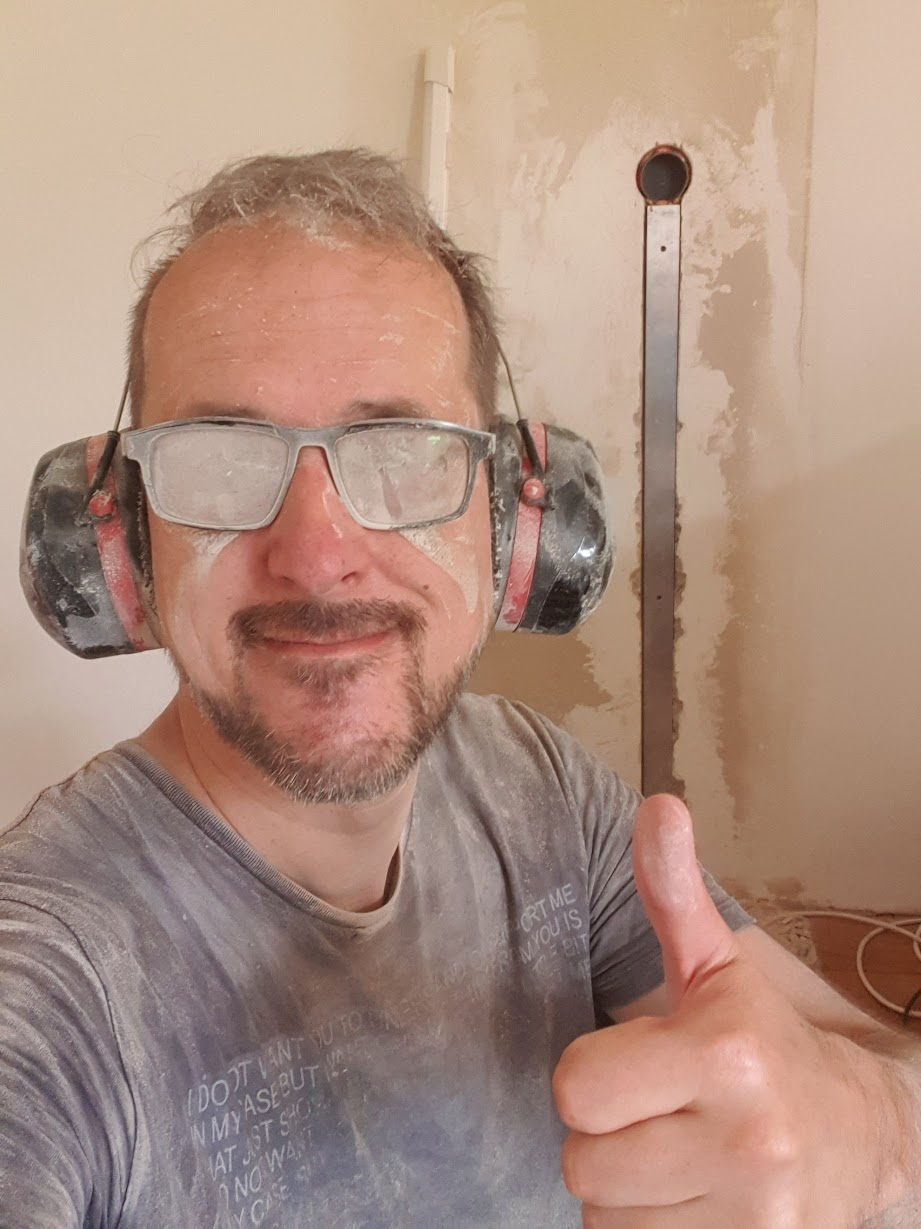
Marco van Nieuwenhoven — Senior engineer at Ndus3 by day, hacker by night.
He builds and optimizes complex industrial systems during working hours, then shifts gears to CNC projects, reverse‑engineering hardware, hacking his own builds, and competing in hackathons after dark.


 By: Marco van Nieuwenhoven